
How to Get Rid of Fire Ant Mounds in Your Backyard?
Few things ruin a quiet afternoon outside faster than spotting a fresh fire ant mound near the patio, swing set or dog’s favorite patch of grass. If you have been wondering how to get rid of fire ant mounds in your backyard, the first thing to know is that the mound you see is only the visible part of a much larger underground colony. Knocking down the dirt may make the yard look better briefly, but real control depends on reaching the ants below the surface, especially the queen.
Why Fire Ant Mounds Keep Coming Back
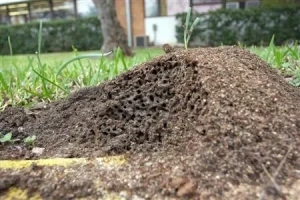
A fire ant mound is not the entire nest. Beneath it is a network of tunnels where workers, brood and the queen remain protected. That is why simply flattening a mound with a shovel, mower or hose rarely solves the problem.
Disturbing the mound can also make treatment more difficult. Fire ants respond quickly when their nest is disrupted, and the colony may shift its activity or move elsewhere. Instead of digging into the mound, it is usually better to leave it alone and use a treatment that takes advantage of normal foraging behavior.
Look Beyond the Mound
It is tempting to focus on the biggest mound in the backyard, especially if it is near a walkway or somewhere children and pets spend time. The problem is that there may be additional colonies you cannot see.
Fire ants often forage away from the nest while searching for food. A yard that appears to have one or two mounds can have activity spread across a wider area. Treating only the visible mound may leave neighboring colonies untouched.
For that reason, broadcast treatment can provide broader coverage than going from mound to mound with a spot treatment.
How Fire Ant Bait Reaches the Colony
Fire Ant Control, LLC uses a granular bait designed to be picked up by actively foraging worker ants. The bait is spread across the treatment area rather than poured directly onto individual mounds.
Workers find the granules while searching for food and carry them back into the colony. The bait contains an insect growth regulator, or IGR, that interferes with the queen’s reproductive cycle. Once she can no longer produce new workers, the colony population gradually declines as existing ants age out.
This is not an instant process, and that is part of how the treatment works. Workers need time to collect the bait and transport it underground before the effect on the colony becomes apparent.
Timing Makes a Difference
Bait works best when fire ants are actively foraging and the ground is dry. Applying it immediately before heavy rain is not ideal because moisture can affect the bait and reduce ant foraging activity.
Homeowners should also avoid disturbing mounds before bait is applied. The objective is to let workers behave normally so they find the bait and take it back to the nest.
Using the right amount matters, too. Applying more bait than directed does not mean the treatment will work faster. Proper, even distribution gives foraging ants across the yard an opportunity to encounter it.
Why One Treatment May Not Be the End
A successful treatment can greatly reduce existing fire ant activity, but a backyard is not sealed off from the surrounding environment. New queens can fly in, and colonies can move in from neighboring properties.
That is why ongoing treatment is an important part of maintaining control. Fire Ant Control recommends a regular treatment schedule rather than waiting for obvious mounds to return. Treating approximately every four months helps stay ahead of new activity.
Professional Treatment Can Stop the Mound-by-Mound Battle
Trying one home remedy after another can turn fire ant control into a frustrating weekend routine. Boiling water, digging, drenching and surface treatments may affect the mound you can see without addressing other colonies elsewhere in the yard.
Professional broadcast treatment takes a whole-yard approach. Fire Ant Control can treat residential properties with granular bait intended to reach colonies through the ants’ feeding behavior. The focus is not simply on making a mound disappear overnight. It is controlling the colony responsible for it and continuing to manage the property over time.
If you are still asking, “How to get rid of fire ant mounds in your backyard,” start by thinking beyond the pile of soil in front of you. Avoid disturbing the mound, treat the broader area, target the queen through properly applied bait and stay consistent with follow-up service. Contact Fire Ant Control, LLC at 239-312-8200 or online to learn more about professional backyard fire ant treatment and a recurring control plan for your property.